

Pure Data Centres builds 110MW Dublin microgrid for AI
Mon, 16th Mar 2026
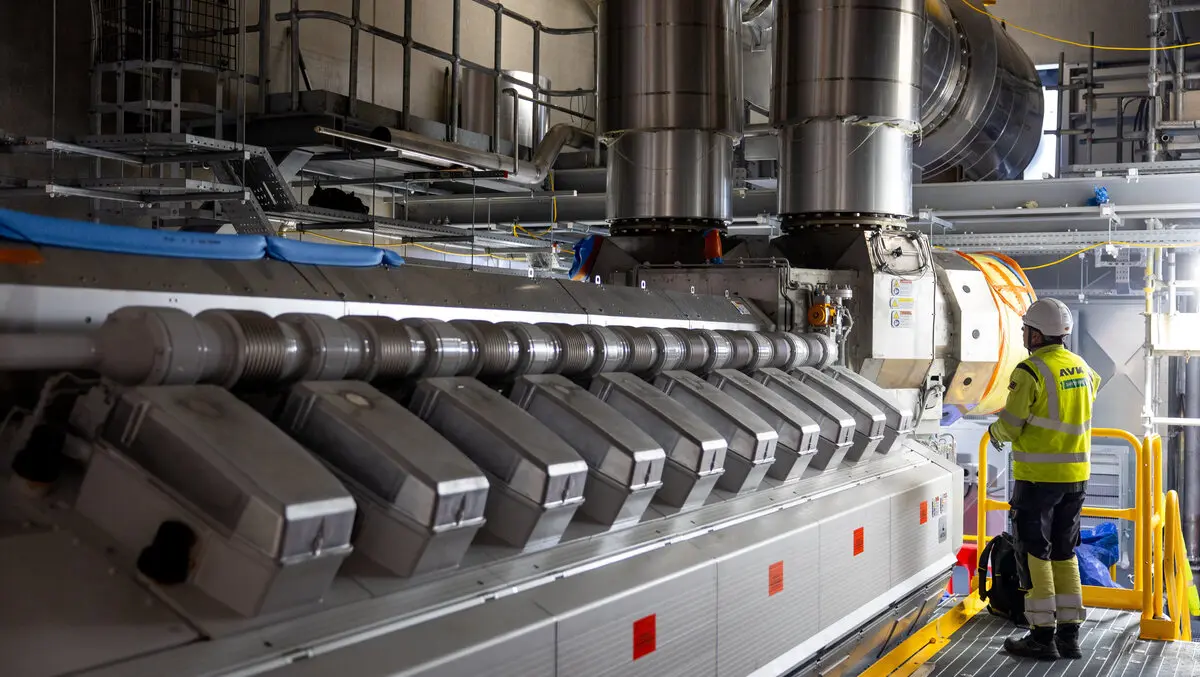
Pure Data Centres Group and power specialist AVK have deployed what they describe as Europe's first large-scale on-site microgrid for a data centre campus, installing a 110MW system at Pure DC's Dublin site.
The project is positioned as a response to tight grid capacity in Ireland and across Europe, where new data centre developments have faced delays and planning scrutiny linked to electricity supply. The Dublin microgrid is designed to operate alongside a longer-term grid connection and to integrate renewables over time as the campus expands.
Located within Pure DC's Dublin campus, the installation provides dispatchable generation during early development, before full integration with Ireland's national electricity system. The campus is expected to move towards a hybrid model combining grid-supplied electricity with on-site infrastructure.
Phased delivery
The microgrid comprises three interconnected energy centres. Each building generates up to 30MW, with the overall solution described as 110MW. Energy Centre 1 and Energy Centre 2 are scheduled to be fully operational by the end of 2026, with a third centre to follow later.
The approach reflects a common challenge in European data centre delivery: site readiness and construction schedules do not always align with available grid-connection capacity. Developers have increasingly turned to interim power solutions to bridge the gap between early commissioning and full utility supply.
Pure DC and AVK said the microgrid complements national energy planning in markets where grid reinforcement and renewable generation arrive in phases. They also pointed to potential replication in other European countries, including Germany, the Netherlands and the UK.
In Ireland, public bodies have sought to balance data centre demand with the need to maintain grid stability and meet climate targets. The sector has become a policy focus as cloud services and AI workloads increase power requirements, while electrification raises demand elsewhere in the economy.
The Mayor of Fingal County Council, Councillor Tom O'Leary, said the project aligns with the county's ambition for new technologies and Ireland's energy transition.
"Fingal wants to remain a champion for breakthrough technologies, but we also understand that progress must be delivered in a way that is climate-friendly, resilient and aligned with Ireland's energy transition. That's why this project is so important. A microgrid that can generate and manage its own power, supports future integration into the national grid, integrates renewable energy, enables storage, and trials new low-carbon fuels like biomethane - this is innovation with purpose," said Tom O'Leary.
Technology mix
The design includes Combined Heat and Power capability, with infrastructure for heat recovery and a potential future connection to district heating networks, subject to third-party demand and regulatory approvals. The energy centres also use waste heat recovery systems to improve operational efficiency.
Later stages are expected to include rainwater harvesting and on-site treatment, with the aim of reducing reliance on mains water for engine-related processes.
The system is designed to accommodate changes in fuel composition, including hydrogen blending. This is framed as an option that could align with future decarbonisation of the gas network, depending on national policy.
The project also includes a Battery Energy Storage System (BESS), intended to manage load fluctuations and improve response times. The BESS is also expected to support future renewable energy integration as part of the campus energy configuration.
Market pressures
Executives linked the deployment to rising demand for AI and cloud infrastructure and to power constraints across Europe. Pure DC Executive Chairman and interim CEO Gary Wojtaszek said electricity supply has become the main limiting factor for new AI infrastructure in the region.
"The biggest barrier to deploying AI infrastructure in Europe today isn't technology - it's power. This microgrid proves that even the most constrained markets can unlock new digital capacity, giving Ireland the opportunity to lead Europe's next chapter of AI infrastructure. The future of AI infrastructure will be built where energy and compute come together - and that's exactly what we're building at Pure," said Gary Wojtaszek.
AVK-SEG CEO Ben Pritchard said the project marks a first for Europe at this scale, while similar microgrids are already operating in the US. He added that it shows how on-site energy systems can work alongside national planning.
"We are delighted to have worked with Pure DC to deliver this groundbreaking project. While several microgrids are already in operation in the US, until today there were none of these deployments in Europe. This project demonstrates how carefully designed onsite energy infrastructure can complement national energy planning frameworks," said Ben Pritchard.
"This recognises that power is now the new differentiator for data centres, and that energy has shifted from being a utility to a strategic asset - shaping the location, design, economics and competitiveness for operators. The first of many in Europe, this microgrid has the capability to revolutionise the data centre power race as we know it - providing a complementary solution that will ease gridlock and pave the way for greater take-up of AI and cloud," he added.
Energy Centre 1 and Energy Centre 2 are due to reach full operation by the end of 2026, with the third energy centre planned for a later phase as the Dublin campus expands.