Graphics Processing Units (GPU) stories
The French cloud provider is seeking to reduce Europe's reliance on US AI infrastructure with a model that can run on modest hardware.
Enterprise buyers get more deployment options as Dell adds AMD-based servers, modular systems and rack-scale infrastructure for AI workloads.
Rising AI chip power densities are prompting the pair to develop diamond-based packaging that could ease heat bottlenecks in GPU and RF devices.
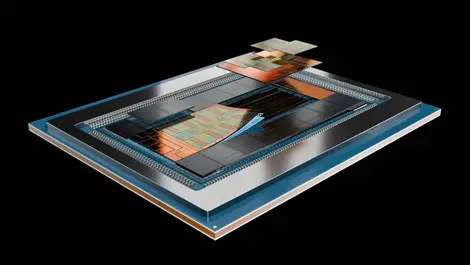
Researchers and AI operators get a lower-memory option in AMD's Helios platform, as the MI450X joins the MI400 line-up with 288GB of HBM4.
Shared AI systems are helping cities cut response times and traffic delays, with one Malaysian deployment trimming corridor travel by up to 26%.
Researchers have shown a compromised DPU can change AI outputs in memory, exposing gaps in checks that only verify saved model files.
Its inclusion underscores growing investor focus on the software layers needed to run AI workloads at scale, beyond chatbots and model makers.
Thin-and-light Windows laptops with up to 128GB of memory are now on sale, giving developers and creators local AI power from USD $2,599.
The release gives enterprises a steadier base for running agentic AI workloads in production, with lower infrastructure strain and less downtime.
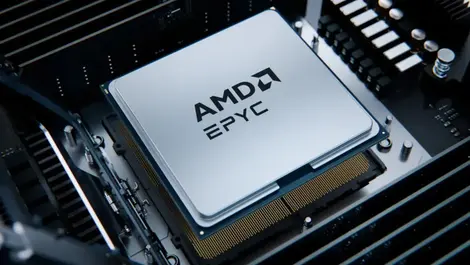
The new chips are already shipping from major hardware vendors as AMD targets heavier AI and cloud workloads in the data centre.
The fresh cash will expand Denmark's Gefion supercomputer capacity for public bodies, researchers and regulated industries as AI demand grows.
More than 6,500 customers have adopted Dell's AI Factory with NVIDIA as it adds deskside systems, servers and managed services for agentic AI.
The deal will help DKRZ cut energy use by about 75% per simulated year as it replaces Levante with a new climate modelling system in 2028.
Enterprises can now inspect AI prompts and responses across clouds and data centres through a validated Fortinet-Equinix architecture.
Larger models and longer context windows are straining scarce high-bandwidth memory, prompting NVIDIA to shift more AI data into cheaper tiers.
Rising AI data centre density is forcing insurers and operators to rethink cover as failures could hit customers, financing and directors alike.
The trial could show whether optical inference can cut data centre power use and ease AI's growing electricity burden under live conditions.
The Series A will help the San Francisco start-up broaden chip support and ease the high cost of serving AI models at scale.
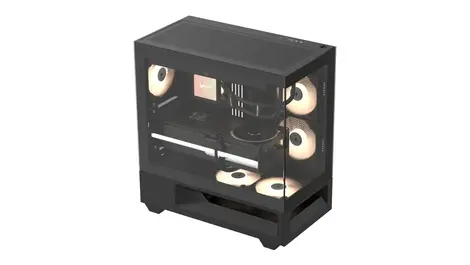
The chassis supports vertical or horizontal graphics card mounting and arrives in the US from USD $79.99, depending on the finish.
It lets developers shift non-urgent AI jobs onto off-peak capacity at discounts of up to 30%, reducing inference costs without extra infrastructure.