

AVEVA, Nvidia tie up on digital twins for AI Factories
Tue, 17th Mar 2026
AVEVA has partnered with Nvidia to link AVEVA's engineering and operations software with the Nvidia Omniverse DSX Blueprint, a framework for designing and running large-scale data centres built for AI workloads.
The companies are developing physical and digital modules for deployment in so-called AI Factories-facilities that use large numbers of GPUs and supporting infrastructure such as power, cooling and control systems. The collaboration applies engineering, procurement and construction methods to data-centre development and operations.
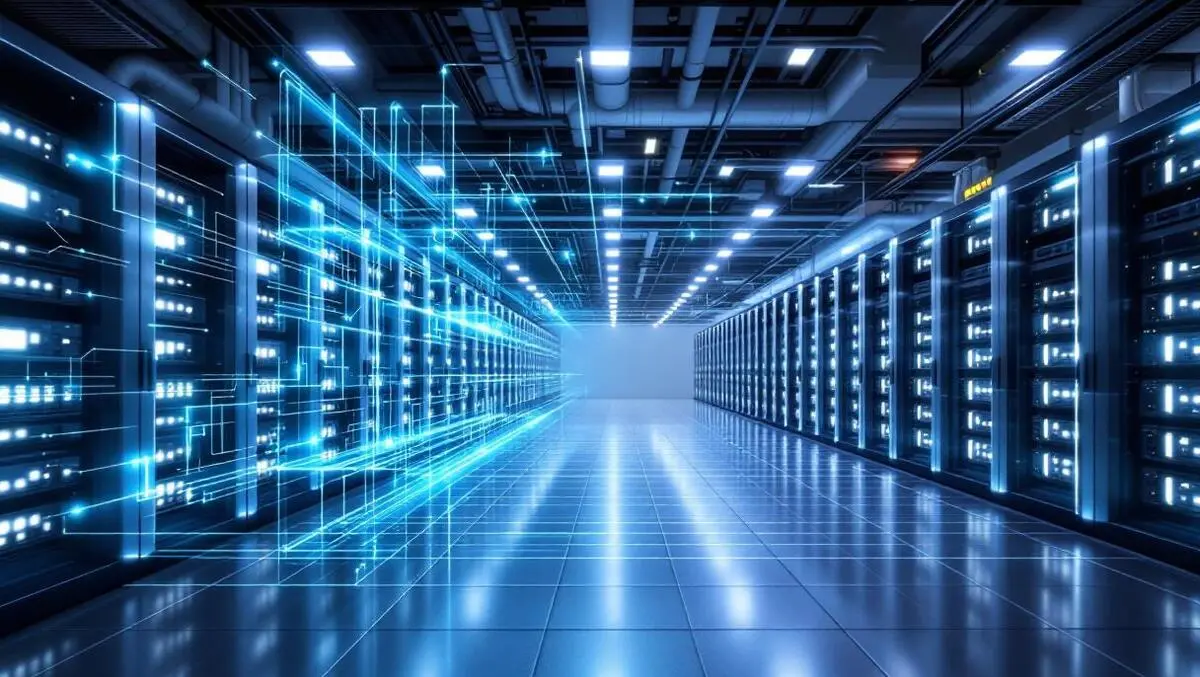
The work centres on a lifecycle digital twin architecture. Digital twins are virtual representations of physical assets and processes used across design, build and operations. Here, the twin spans early engineering through real-time operations in high-density facilities that may reach gigawatt scale.
Blueprint integration
AVEVA's software is being integrated into the Nvidia Omniverse DSX Blueprint. The companies expect this to improve GPU utilisation and shorten deployment times for AI Factory infrastructure.
The effort draws on AVEVA's CONNECT industrial intelligence platform and its industrial digital twin products, as well as simulation, visualisation, and collaborative design tools within the Omniverse ecosystem.
AVEVA also linked the work to its partnerships with Schneider Electric and ETAP, which focus on electrical systems, power modelling and infrastructure design-core elements of modern data centres. Together, the companies aim to advance design, simulation, build, operation and optimisation processes around the Omniverse DSX Blueprint for AI Factories.
AI data centres have become a focus for software suppliers and equipment makers as demand rises for large accelerator clusters and higher rack power densities. Operators are also seeking tighter links between IT systems and operational technology, including building management, electrical power monitoring and cooling controls.
Design data
One element of the integration involves OpenUSD assets described as SimReady. Customers will be able to bring these assets into AVEVA Unified Engineering through a new converter, enabling the reuse of existing asset libraries and access to high-fidelity data and environments built on Nvidia Omniverse libraries.
Asset information management is another part of the architecture. AVEVA Asset Information Management is positioned as the system of record for equipment and systems data across the lifecycle, with the goal of keeping design and operational information aligned as facilities evolve.
Cooling is a major constraint in high-density AI deployments, particularly as liquid cooling becomes more common. AVEVA Process Simulation will be used to model liquid-cooling networks for AI Factories, allowing designs to be refined and cooling efficiency improved before deployment.
Operations focus
On the operations side, AVEVA's PI System will aggregate IT and OT data across the Nvidia Omniverse DSX Exchange. The integration is expected to be extended later to the Nvidia NV-Tesseract model for anomaly detection and forecasting.
That extension would cover telemetry from building management systems, electrical power monitoring systems, cooling equipment, server racks and workloads, with the aim of enabling real-time interpretation of facility-wide signals at scale.
AVEVA Operations Control and Unified Operations Centre are also part of the data-centre operations offering. These tools are intended to bring electrical, mechanical and safety systems into a single platform using templated situational awareness.
In practice, this would allow operators to monitor alerts, analyse faults, and track degradation trends across systems such as uninterruptible power supplies, switchgear, power distribution units, generators, chillers, and coolant distribution units. The approach is designed to support root-cause analysis and operational recommendations as facilities move to higher densities.
"AI Factory" has become shorthand for the industrialisation of AI infrastructure, treating data centres as production environments for AI training and inference. Digital twins are increasingly used in adjacent industrial settings, and data-centre operators have adopted them for capacity planning, maintenance and operational visibility.
Rob McGreevy, AVEVA's chief product officer, said, "AI Factories are fast becoming the industrial-scale engines of the global digital economy. To drive this transformation, AVEVA and NVIDIA are creating a new approach to digital twin deployments, founded on domain-specific expertise, pioneering software and operational excellence. Together, our companies are creating this new digital twin at scale, combining SimReady assets, NVIDIA hardware, and IT and OT data-driven insights to design, build and AI-optimise the intelligent industries of the future."
The collaboration positions Omniverse DSX as a shared environment for design and operations data across multiple suppliers. It also signals a broader shift in which data-centre development borrows from industrial engineering disciplines, with greater emphasis on lifecycle models, structured asset data and simulation-driven planning.
"The rapid rise of gigawatt-scale AI Factories requires a new class of industrial intelligence to optimise the entire lifecycle of these massive data centers, from initial design to real-time operations," said Vladimir Troy, vice president of AI infrastructure at NVIDIA. "By integrating AVEVA's engineering and simulation software into the NVIDIA Omniverse DSX blueprint, we are providing developers with a unified digital twin architecture to accelerate the deployment and efficiency of the world's most advanced AI infrastructure."