

Equinix starts hydrogen power trial at Dublin data centre
Fri, 19th Jun 2026
Equinix has begun a hydrogen power trial at its DB3 data centre in Dublin with ESB and GeoPura.
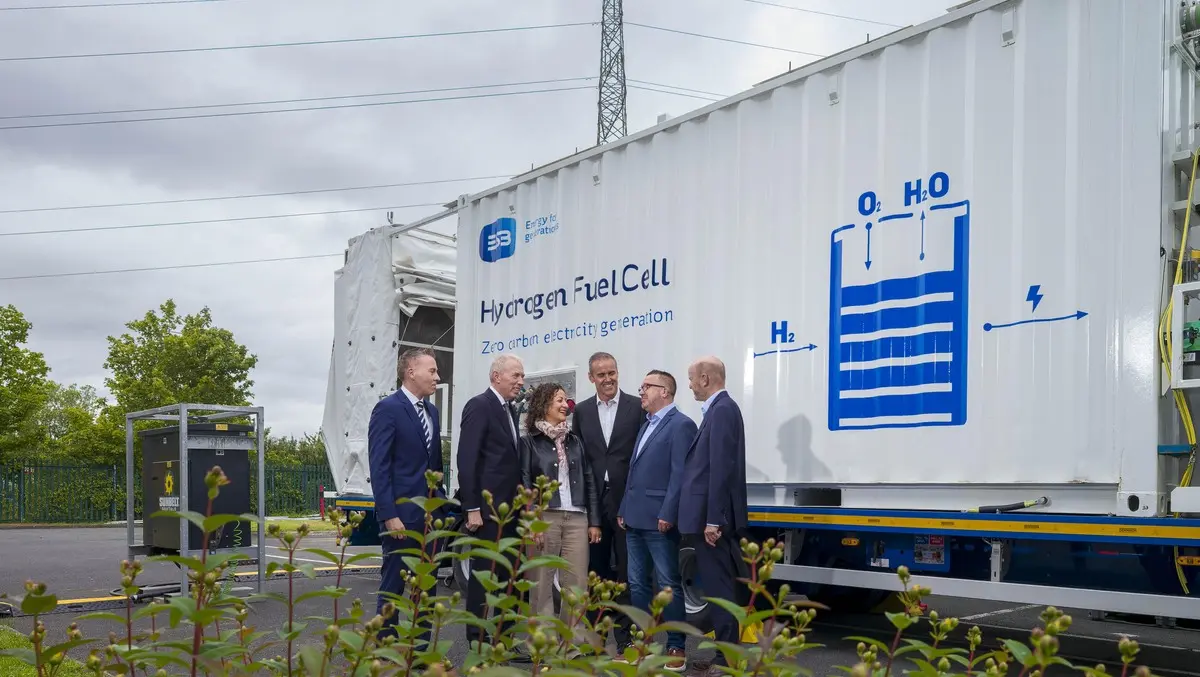
The 12-week pilot involves two hydrogen-powered generators installed at the Blanchardstown facility to support cooling systems. It marks Equinix's first use of a Hydrogen Power Unit for critical data centre backup systems in Ireland and across its global estate of more than 280 data centres.
The trial comes as grid constraints in parts of Dublin continue to affect the expansion of energy-intensive facilities, including data centres. The project is intended to assess whether hydrogen from renewable sources can ease pressure on the grid and provide an alternative to diesel and gas generators.
Each generator is housed in a container-sized unit. GeoPura is supplying hydrogen from renewable sources, while ESB owns one of the two units used in the pilot.
The generators are designed to provide zero direct onsite emissions at the point of use. Using uninterruptible power supply systems, the units can respond to changes in grid capacity and provide up to half a megawatt of continuous power when switched on.
Equinix said the pilot has helped bring power usage effectiveness at DB3 below 1.3. Power usage effectiveness measures how efficiently a data centre uses energy, with a lower score indicating less overhead for systems such as cooling.
Grid pressure
Ireland has faced sustained debate over how to balance the growth of digital infrastructure with limits on electricity supply, particularly in the Dublin region, where many data centres are concentrated. Large energy users have come under closer scrutiny from policymakers and network operators as demand for computing capacity rises.
Against that backdrop, the Dublin pilot is also being used to gather data on operational performance, safety, commercial viability, carbon reduction potential and the possible use of hydrogen for peak shaving. Equinix and ESB said the findings could also help policymakers and universities assessing energy options for Ireland.
The trial may have implications beyond data centres. Hydrogen power units could also serve sites that rely on temporary generation, such as construction projects, where diesel remains common.
The system uses PEM fuel cell technology and produces water and heat as byproducts at the point of use. Equinix said waste heat could eventually support district heating projects, while water could be recycled into cooling systems to reduce mains water use.
The partners said the units used in the pilot can be scaled for larger applications, with hydrogen fuel systems able to reach 50 MW for backup and prime power uses. If trials prove successful, that would put the technology in contention for a wider range of industrial and infrastructure settings.
Timmy Dooley, Minister of State at the Department of the Environment, Climate and Communications, commented on the project.
"Hydrogen has the potential to play an important role in Ireland's transition to a more sustainable energy system. Projects such as this provide valuable opportunities to test emerging technologies in real-world environments and deepen our understanding of how they can support future energy needs.
"It is encouraging to see companies operating in sectors that are critical to Ireland's economic growth exploring innovative approaches to reducing emissions. Trials like this help build knowledge, foster collaboration and contribute to the wider conversation about how new energy solutions can support Ireland's climate ambitions," Dooley said.
Peter Lantry, Managing Director of Equinix Ireland, said the company sees the work as part of a wider response to energy constraints.
"This is a landmark research project that could be part of the solution to Ireland's grid constraints and the challenge of accessing clean energy. Ireland is already making serious moves on hydrogen and how it can be stored at scale here. What we're doing with ESB is a different piece of the same puzzle: proving that hydrogen can work as a practical, zero direct onsite-emissions alternative to diesel and gas in a live environment. If this pilot delivers what we expect, it adds real momentum to Ireland's decarbonisation story," Lantry said.
ESB said the pilot is part of its work on lower-emission energy systems for critical infrastructure.
"The deployment of hydrogen fuel cells at Equinix data centres is another important step in demonstrating how zero direct onsite-emission technologies can support critical infrastructure. As data demand continues to grow, solutions like hydrogen power units offer a reliable, clean alternative to traditional backup generation. At ESB, we see green hydrogen playing a key role in enabling resilient, low-carbon energy systems, and we're proud to partner with forward-thinking organisations like Equinix to bring these solutions into real-world operation," Lennon said.
GeoPura said the project reflects rising pressure on operators to secure dependable electricity while lowering emissions and limiting local impact.
"As demand for digital infrastructure continues to grow, operators are facing increasing pressure to secure reliable power, reduce emissions and minimise the impact on local communities. This trial shows how hydrogen can help address those challenges today. By combining hydrogen fuel cell technology with battery systems and uninterruptible power capabilities, we're delivering reliable zero direct onsite-emission power that can respond instantly when required.
"Working alongside Equinix and ESB, this project is demonstrating that hydrogen can support both backup and prime power applications in a live data centre environment, showing how hydrogen can strengthen energy resilience, reduce reliance on fossil fuels and support the continued growth of critical digital infrastructure," Cunningham said.